The creator economy in Brazil is more than a cultural phenomenon: it is a rapidly growing industry, shaping the way millions of people work, communicate, and consume information.
And its scale and influence also make it a public policy issue. Today, creators are at the intersection of advertising, labor regulation, and digital governance. Below are three facts, based on recent Reglab research, that help explain why the creator economy in Brazil deserves global attention — not only from brands, but also from policymakers and researchers.
1. A R$ 20 billion market — and still expanding Brazil has 3.8 million content creators, which represents almost 16% of all influencers in the world. It is a market larger than many traditional professions — there are more influencers than registered lawyers or doctors. In 2024 alone, the sector moved R$ 20 billion, growing 43% compared to the previous year. 73% of Brazilians bought products in the last year based on influencer recommendations — the highest conversion rate in the world.
2. 88 bills, 10 years, and a bipartisan puzzle Between 2015 and 2025, 88 bills on influencer regulation were introduced in the National Congress. The proposals cross party lines — from left to right — and show a rare bipartisan consensus. Most focus on content control instead of recognizing influencers as economic agents. More than 20% include criminal provisions, reflecting a political culture that tends to treat influence as a risk to be controlled, and not as legitimate work.
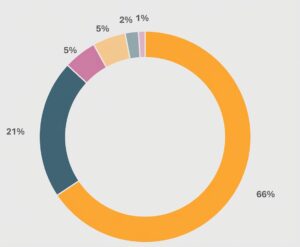
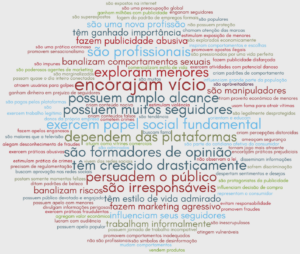
3. How Congress speaks about influence matters Reglab’s discourse analysis of parliamentary justifications revealed a telling duality: influencers appear as both legitimate professionals and social threats. Although parliamentarians sometimes highlight the economic importance of the sector, the dominant narrative portrays them as vectors of risk — associated with fraud, addiction, or moral decay. This language shapes the regulation itself, reinforcing stigma instead of building structure. Understanding this symbolic dimension is essential for any policymaker or company navigating digital governance in Brazil.
an opinion from Reglab experts